Our Methodology
Finding the right people is a big part of growing a business, but it isn't always easy to get the process right. We’re here to show you
exactly how to make hiring more effective and a lot more predictable through an intricate breakdown on our approach to recruitment.
This is the recipe to how we stay on top of market trends, solve common hiring hurdles, and build a structured path from the first interview to the final offer.
Hiring problems rarely start with a lack of effort. They usually begin with uncertainty about what the market has to offer.
What happens?
A recruiter is usually engaged when internal hiring feels unclear, risky or stalled.
Why does this matter?
Most hiring processes begin with incomplete information about talent availability, compensation, and feasibility.
Common problems this avoids
- Recruitment introduces broader market and compensation context.
- Access to the full talent market supports more deliberate hiring decisions.

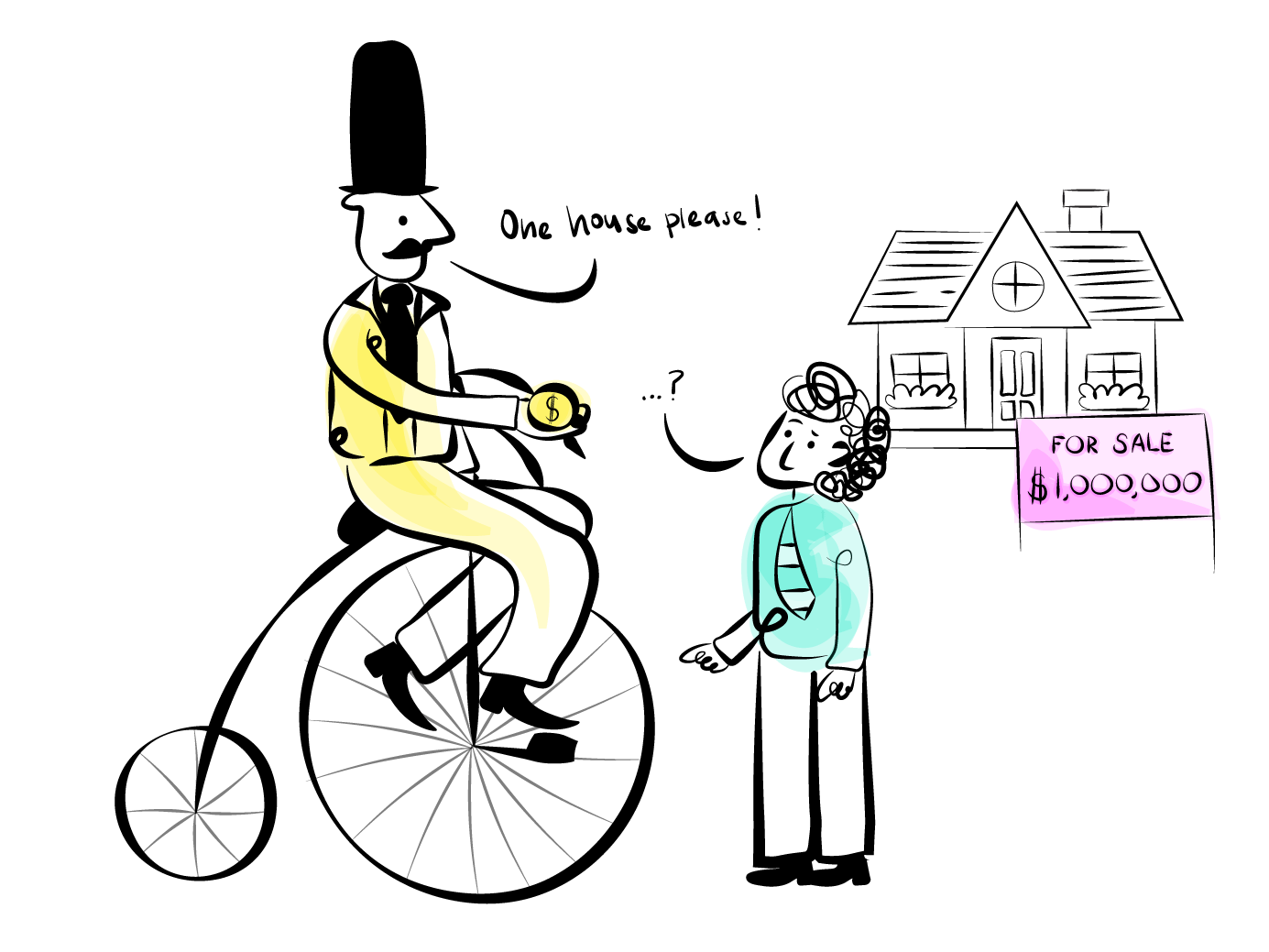
A great hiring experience starts long before the first interview. The recruitment process often reflects an organisation's internal health; when candidates sense instability and disorganisation, they lose interest quickly. A well-defined hiring structure from the start removes the guesswork, creates a consistent experience, and secures top talent for the long run.
What happens?
In an optimal hiring process the interview stages, decision points and feedback loops are defined before candidate interviews begin.
In the vast and ever-changing tech landscape, time is of the essence. Timelines and responsibilities should be clarified to minimise internal frictions or delays and ensure that all parties understand how decisions will be made. This acts as an accountability framework, driving everyone involved in the process to act timely and proactively.
Why does this matter?
An unstructured hiring processes introduces bias, inconsistency and delays.
When the recruitment process is left unorganised and vague, candidates have an inconsistent experience and are left confused. When this feeling is repeatedly present during hiring, even eager and strong candidates feel put off from progressing.
Similar to the experience you might have with waiting staff at a restaurant, a candidates experience of a hiring process and how they’re treated is likely to leave a strong impression in their mind of the company; even the parts of the company that have nothing to do with the hiring process! And in a small market like New Zealand, word gets around quick, so any scuffs to your employer brand can have long-lasting knock-on effects.
Common problems this avoids
A properly planned hiring structure improves decision consistency, creating a predictable experience for both the hiring team and the candidate. This reduces drop-off rates within the interview process by ensuring that candidates know where they stand every step of the way and that they feel fairly treated.
Many recruitment challenges are not caused by a lack of candidates but by roles that are defined without being grounded in market reality. Aligning expectations early helps ensure the role being taken to the market is realistic, competitive and clearly understood by both clients and candidates.
What do recruitment partners do at this stage?
Role requirements are reviewed and pressure tested against current market conditions, including scope, seniority and skill demand.
Must have requirements are separated from preferences, and internal role titles are translated into language that reflects how similar roles are positioned in the wider market.
Why does this matter?
It is important that expectations around responsibilities and compensation are aligned with availability before the role hits the market.
Poorly defined roles are a leading cause of prolonged or unsuccessful hiring processes. When expectations are misaligned early, interview cycles become repetitive, feedback becomes inconsistent and changes are often introduced late in the process.
Common problems this solves
- Capable candidates are no longer rejected for reasons unrelated to their ability to perform in the role.
- Roles that are clearly defined and aligned with market reality open a gateway to a hiring process that supports consistent and informed decision making.

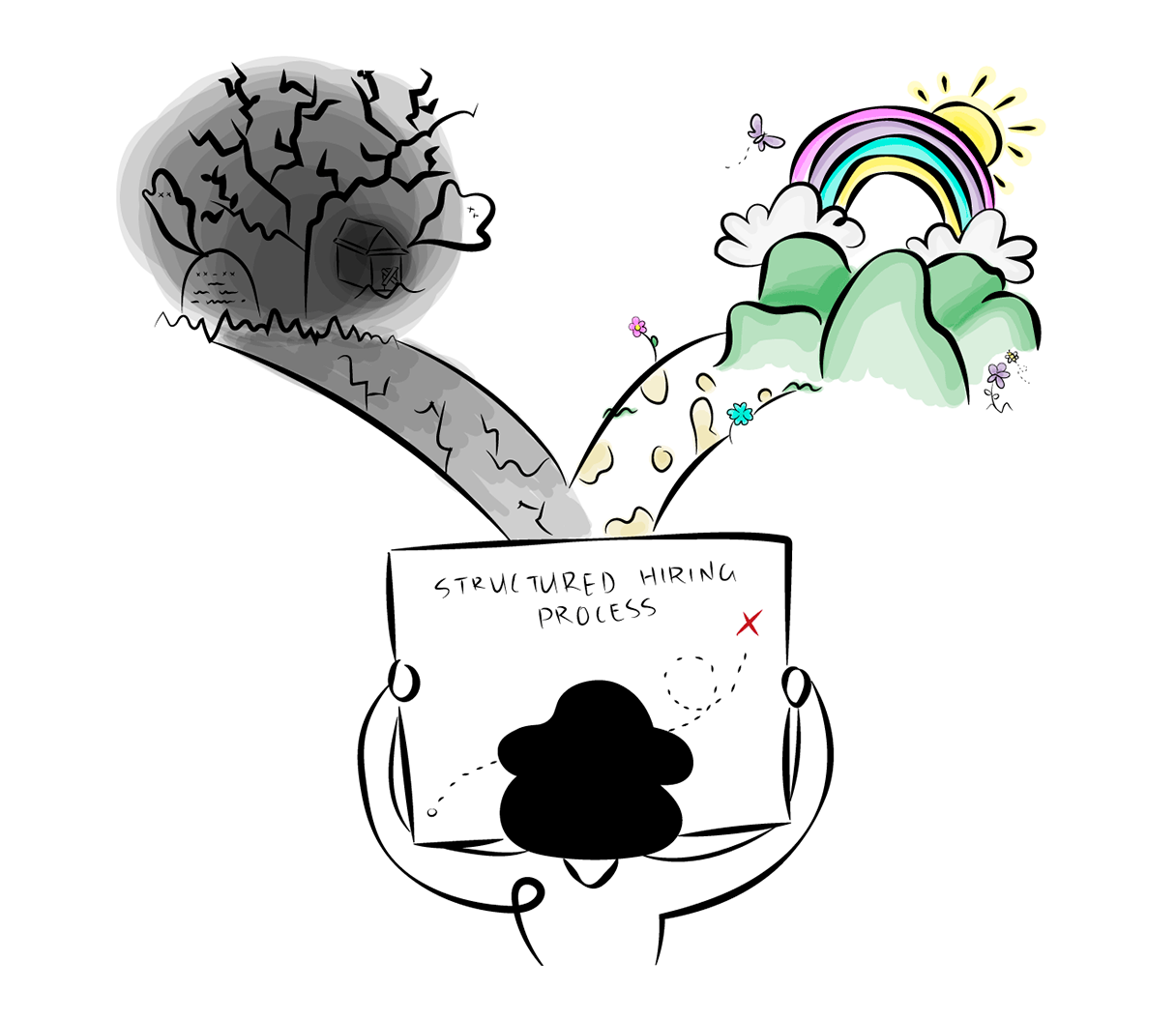
A great hiring experience starts long before the first interview. The recruitment process often reflects an organisation's internal health; when candidates sense instability and disorganisation, they lose interest quickly. A well-defined hiring structure from the start removes the guesswork, creates a consistent experience, and secures top talent for the long run.
What happens?
In an optimal hiring process the interview stages, decision points and feedback loops are defined before candidate interviews begin.
In the vast and ever-changing tech landscape, time is of the essence. Timelines and responsibilities should be clarified to minimise internal frictions or delays and ensure that all parties understand how decisions will be made. This acts as an accountability framework, driving everyone involved in the process to act timely and proactively.
Why does this matter?
An unstructured hiring processes introduces bias, inconsistency and delays.
When the recruitment process is left unorganised and vague, candidates have an inconsistent experience and are left confused. When this feeling is repeatedly present during hiring, even eager and strong candidates feel put off from progressing.
Similar to the experience you might have with waiting staff at a restaurant, a candidates experience of a hiring process and how they’re treated is likely to leave a strong impression in their mind of the company; even the parts of the company that have nothing to do with the hiring process! And in a small market like New Zealand, word gets around quick, so any scuffs to your employer brand can have long-lasting knock-on effects.
Common problems this avoids
A properly planned hiring structure improves decision consistency, creating a predictable experience for both the hiring team and the candidate. This reduces drop-off rates within the interview process by ensuring that candidates know where they stand every step of the way and that they feel fairly treated.
A great hiring experience starts long before the first interview. The recruitment process often reflects an organisation's internal health; when candidates sense instability and disorganisation, they lose interest quickly. A well-defined hiring structure from the start removes the guesswork, creates a consistent experience, and secures top talent for the long run.
What happens?
n an optimal hiring process the interview stages, decision points and feedback loops are defined before candidate interviews begin.
In the vast and ever-changing tech landscape, time is of the essence. Timelines and responsibilities should be clarified to minimise internal frictions or delays and ensure that all parties understand how decisions will be made. This acts as an accountability framework, driving everyone involved in the process to act timely and proactively.
Why does this matter?
An unstructured hiring processes introduces bias, inconsistency and delays.
When the recruitment process is left unorganised and vague, candidates have an inconsistent experience and are left confused. When this feeling is repeatedly present during hiring, even eager and strong candidates feel put off from progressing.
Similar to the experience you might have with waiting staff at a restaurant, a candidates experience of a hiring process and how they’re treated is likely to leave a strong impression in their mind of the company; even the parts of the company that have nothing to do with the hiring process! And in a small market like New Zealand, word gets around quick, so any scuffs to your employer brand can have long-lasting knock-on effects.
Common problems this avoids
A properly planned hiring structure improves decision consistency, creating a predictable experience for both the hiring team and the candidate. This reduces drop-off rates within the interview process by ensuring that candidates know where they stand every step of the way and that they feel fairly treated.
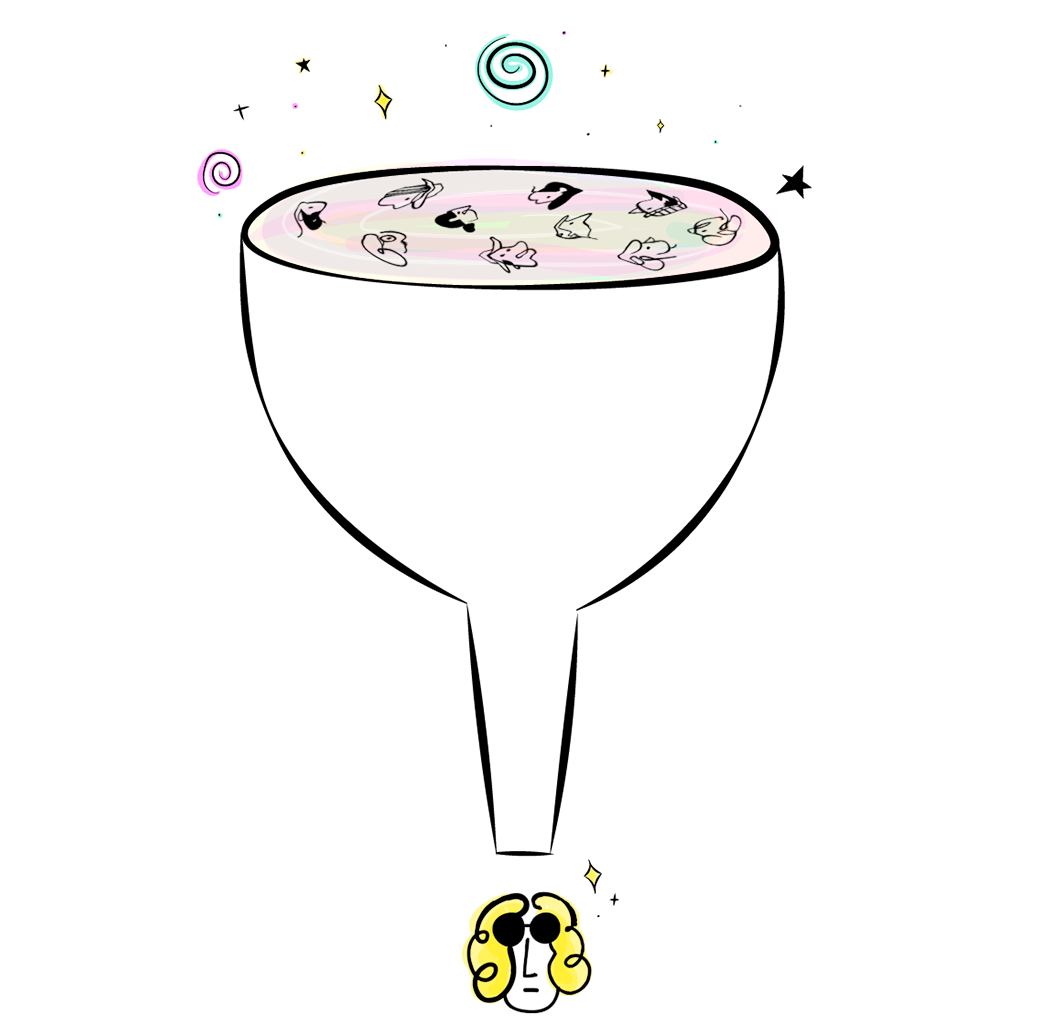
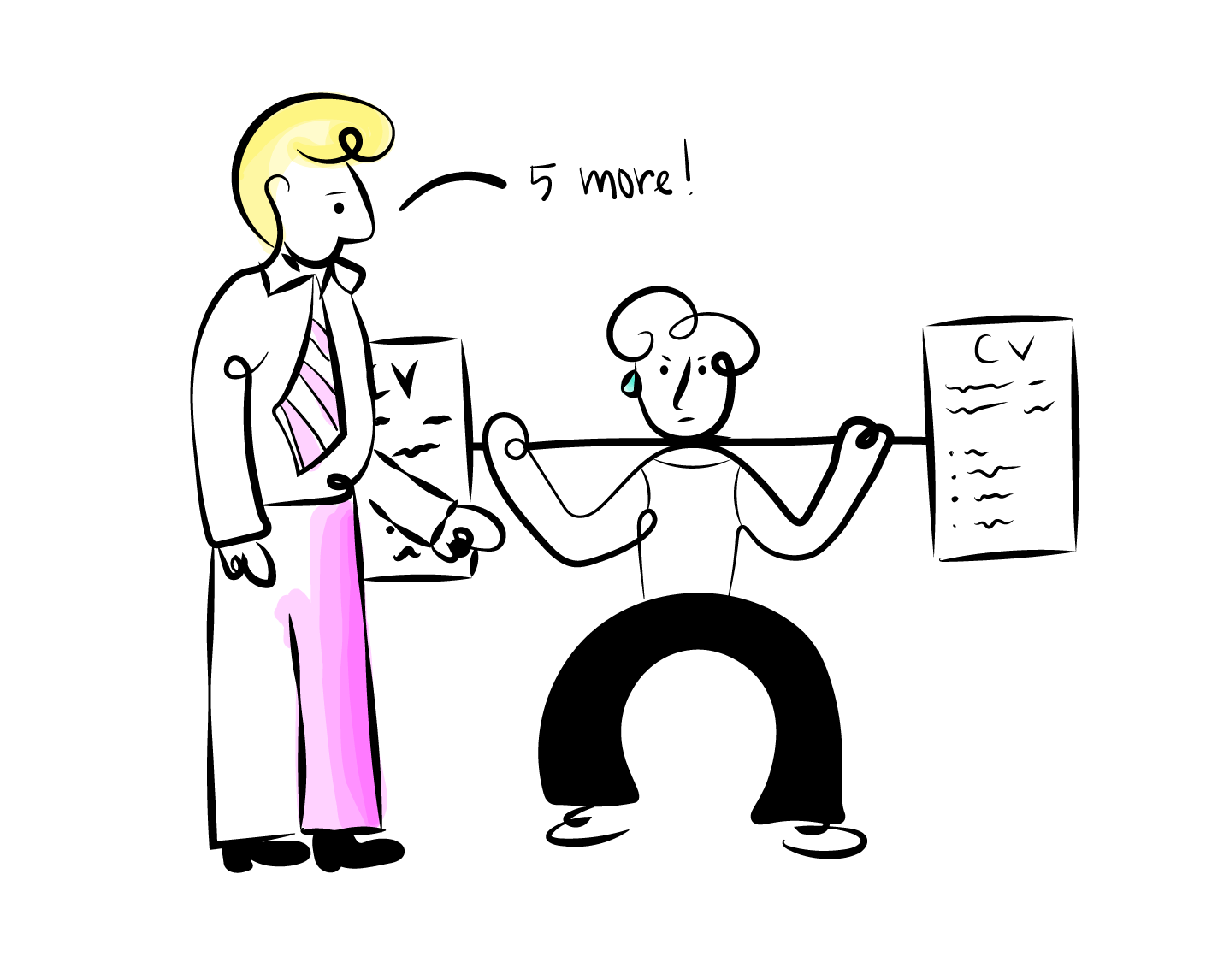
A great interview shouldn't be a guessing game. When candidates are left in the dark about context or process, their performance suffers and they’re unable to put their best foot forward. Recruiters provide clear briefings and consistent communication to ensure that candidates shine, showing their true strengths and not just their nerves.
What happens?
Candidates are briefed on the role, company context, and interview process before meeting hiring teams.
At Potentia, we establish clear accountability and timelines upfront, ensuring that both the hiring team and the candidate understand how decisions will be made.
Why does this matter?
An unstructured hiring processes introduces bias, inconsistency and delays.
When the recruitment process is left unorganised and vague, candidates have an inconsistent experience and are left confused. When this feeling is repeatedly present during hiring, even eager and strong candidates feel put off from progressing.
Similar to the experience you might have with waiting staff at a restaurant, a candidates experience of a hiring process and how they’re treated is likely to leave a strong impression in their mind of the company; even the parts of the company that have nothing to do with the hiring process! And in a small market like New Zealand, word gets around quick, so any scuffs to your employer brand can have long-lasting knock-on effects.
Common problems this avoids
A properly planned hiring structure improves decision consistency, creating a predictable experience for both the hiring team and the candidate. This reduces drop-off rates within the interview process by ensuring that candidates know where they stand every step of the way and that they feel fairly treated.
Many recruitment challenges are not caused by a lack of candidates but by roles that are defined without being grounded in market reality. Aligning expectations early helps ensure the role being taken to the market is realistic, competitive and clearly understood by both clients and candidates.
What do recruitment partners do at this stage?
Role requirements are reviewed and pressure tested against current market conditions, including scope, seniority and skill demand.
Must have requirements are separated from preferences, and internal role titles are translated into language that reflects how similar roles are positioned in the wider market.
Why does this matter?
It is important that expectations around responsibilities and compensation are aligned with availability before the role hits the market.
Poorly defined roles are a leading cause of prolonged or unsuccessful hiring processes. When expectations are misaligned early, interview cycles become repetitive, feedback becomes inconsistent and changes are often introduced late in the process.
Common problems this solves
- Capable candidates are no longer rejected for reasons unrelated to their ability to perform in the role.
- Roles that are clearly defined and aligned with market reality open a gateway to a hiring process that supports consistent and informed decision making.

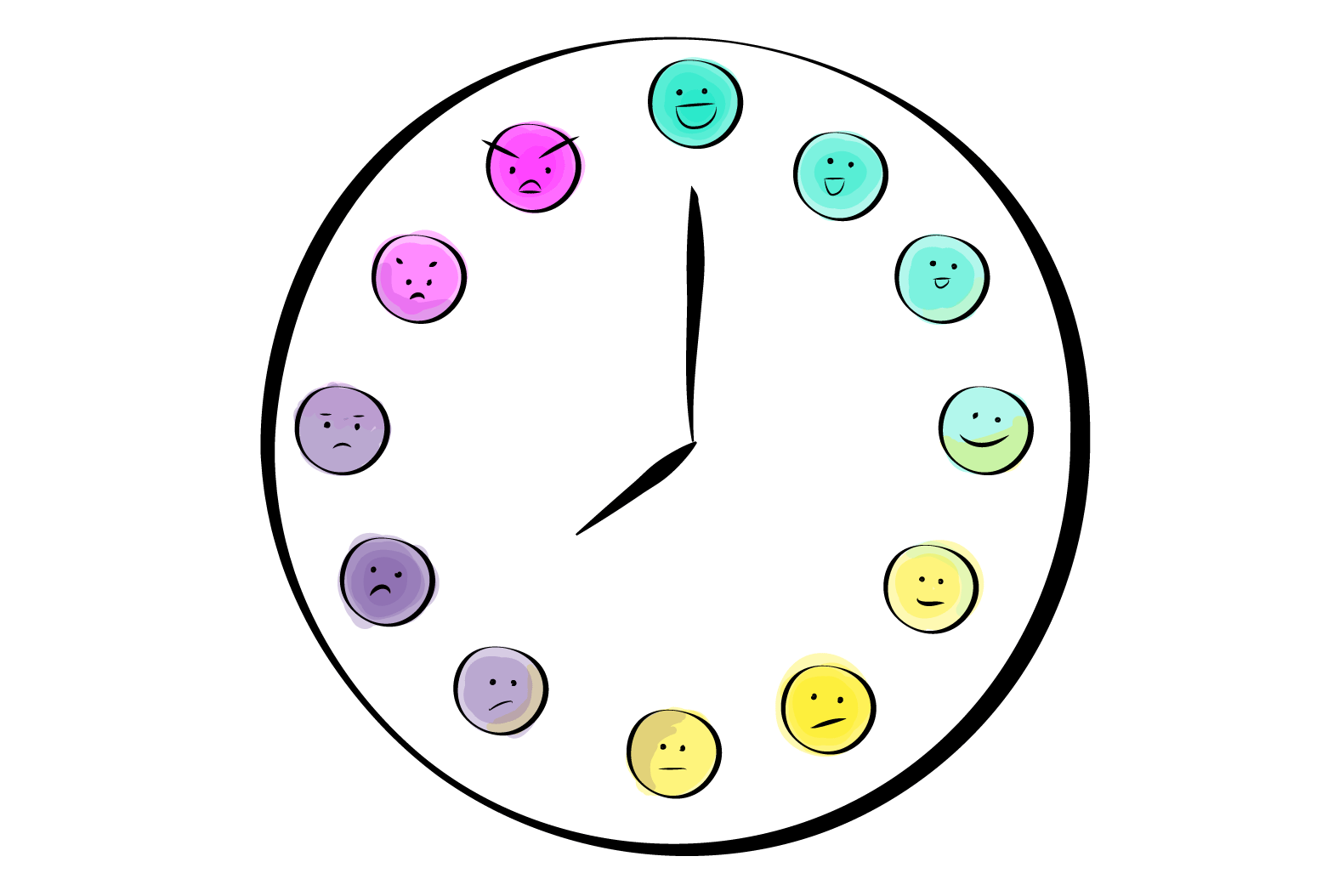
Make the offer as soon as internal alignment is clear and the decision has been made with confidence. In competitive hiring markets, delays after interviews increase the risk of losing strong candidates. The speed of the offer should reflect the clarity of the decision, not the pace of internal administration.
What happens?
As the preferred candidate emerges, attention shifts from evaluation to internal alignment. Approval chains, budget confirmation, and stakeholder sign off begin to influence the pace of the process.Meanwhile, the candidate is interpreting silence as uncertainty. Other opportunities may still be active, and their perception of momentum becomes part of the decision.
Without deliberate coordination, small delays compound and confidence on either side can weaken before the offer is formally made.
Why does this matter?
Even well run interview processes can break down at the point of decision. Delays, unclear ownership, or fragmented communication are common causes of offer failure.
Strong candidates often exit processes due to slow or poorly sequenced communication rather than compensation concerns.
Common problems this avoids
- Reduces lost hires caused by delayed decisions or mismanaged offer timing.
- Maintains momentum and increases the likelihood of offer acceptance by preserving clarity and confidence at the final stage.
The hiring process does not end when an offer is accepted. Early stages of employment carry the highest risk of disengagement, misunderstanding or early exit. Structured follow up from the recruitment partner help surface issues early and turn each placement into a source of learning for future hiring decisions..
What does a recruitment partner do?
Follow ups are conducted with both the client and the placed candidate after the role has commenced, typically at agreed intervals during the early stages of employment. These conversations are not informal check ins. They are designed to surface alignment issues and identify friction before it compounds into disengagement or exit.
Why this step exists
The transition from offer acceptance to active employment introduces new dynamics that were not present during interviews. Once the candidate begins working inside the organisation, expectations are tested in practice rather than discussed in theory.
Even when alignment has been strong throughout the hiring process, the reality of day to day work can surface small misunderstandings or adjustments on either side. Structured follow up exists to provide continuity through that shift, giving both the employer and the candidate a neutral space to address early questions before they quietly influence long term confidence or engagement.
What this solves
Early warning signs are missed, leading to preventable attrition. Hiring teams repeat the same mistakes because outcomes are not reviewed or learned from.
Over time, this feedback builds a deeper understanding of how a company hires, onboards, and retains talent. This accumulated context improves future role design and allows Potentias recruitment support to align more closely with a company’s growth and hiring plans.